
Med ruteplanlegging i Zoopit får teamene sanntidskontroll over den daglige utførelsen. Disponentene kan frigi ruter, tildele og omfordele oppdrag og reagere på endringer etter hvert som de skjer, slik at arbeidet går som smurt selv når planene må tilpasses i løpet av dagen.
Med Zoopit får teamene kontroll over hvordan oppdrag og ruter utføres i løpet av dagen, noe som gjør det enkelt å håndtere endringer, koordinere teamene og holde driften i gang etter hvert som forholdene utvikler seg.
Disponentene kan frigi ruter, tildele eller omfordele jobber og administrere utførelsen etter hvert som dagen skrider frem.
Bestillinger i siste liten, forsinkelser eller sjåførproblemer kan håndteres umiddelbart uten å forstyrre hele planen.
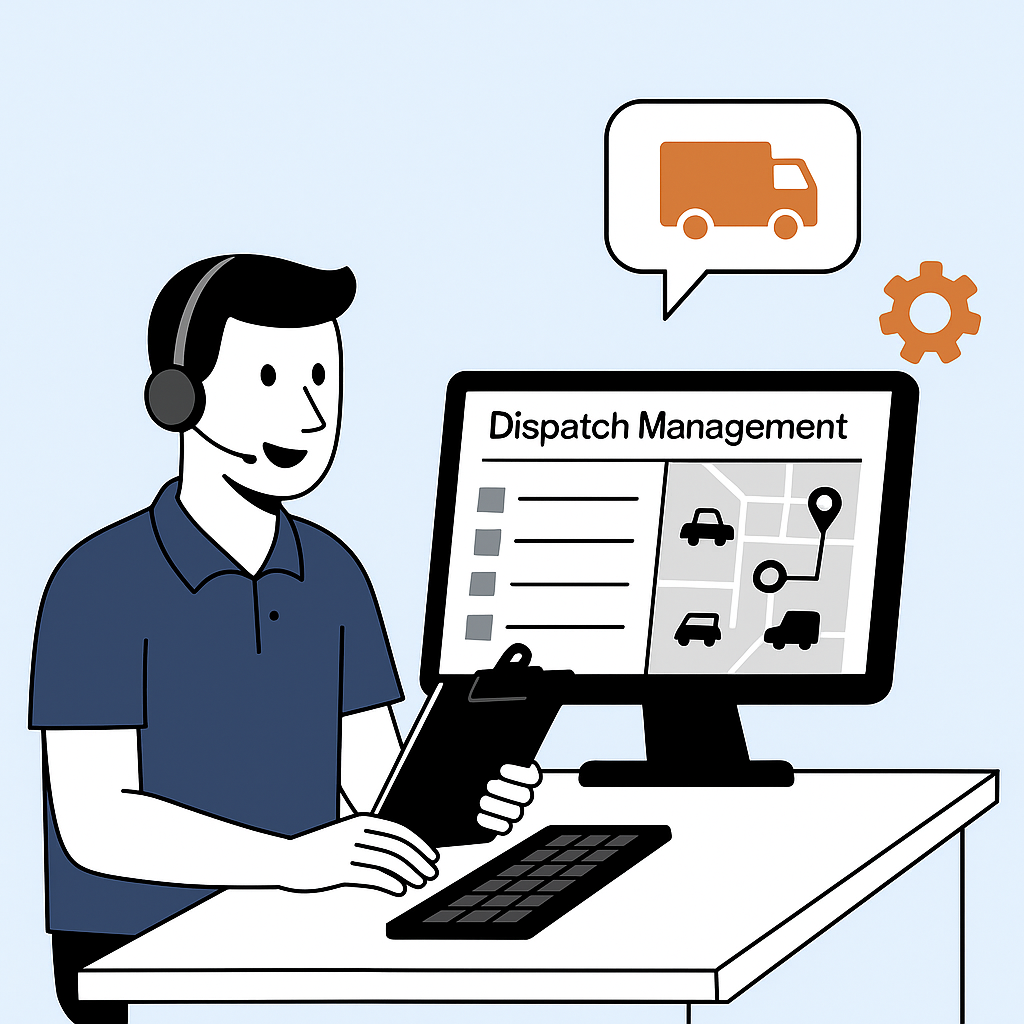
Dispatch management sørger for at sjåfører, planleggere og supportteam har samme sanntidsinformasjon.
Disponentene kan reagere umiddelbart på forsinkelser, nye oppdrag eller uventede hendelser uten manuelle løsninger.
Oppdragene tildeles og justeres basert på tilgjengeligheten av sjåfører og kjøretøy i sanntid.
Tydelig kontroll og sanntidssynlighet hjelper teamene med å håndtere travle dager med færre overraskelser og mindre manuell inngripen.
Raske beslutninger og justeringer bidrar til at leveranser og servicebesøk holdes i rute.
Dispatch management bidrar til å omsette planer til utførelse ved å holde jobber, sjåfører og endringer koordinert gjennom hele dagen.
Dispatch management bidrar til at planer kan omsettes til utførelse uten avbrudd.
Støtter endringer og kundeforespørsler samme dag uten å forstyrre leveringsplanene.
Bidrar til å håndtere store jobbvolumer og hyppige unntak i løpet av dagen.
Gjør det mulig for utsendere å reagere raskt på forsinkelser som kan påvirke ferskhet eller tidsvinduer.
Gjør det enkelt å tildele, justere og overvåke teknikerjobber i sanntid.
Støtter effektiv koordinering mellom planlegging, sjåfører og kunder.
Bidrar til å sikre at forpliktelsene overholdes selv når forholdene endrer seg.
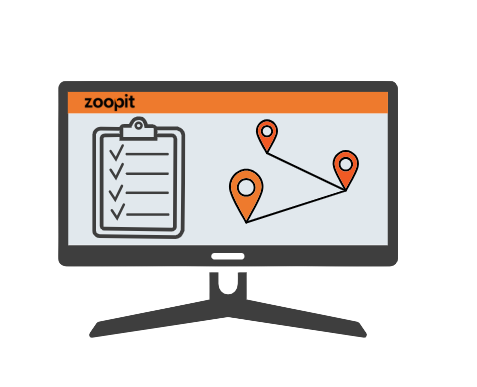
Planlagte jobber og ruter er forberedt i Zoopit og klare for utførelse.
Disponentene sender ruter og jobbdetaljer til sjåførene via mobilapplikasjonen.
Sentralen følger fremdriften i jobben og sjåførstatusen i sanntid.
Nye jobber, forsinkelser eller problemer håndteres direkte uten å stanse driften.
Fullførte jobber bekreftes og er tilgjengelige for oppfølging og rapportering.
Det er kontrollaget som gjør det mulig for teamene å administrere jobbutførelse, oppdrag og endringer i sanntid.
Ja. Disponentene kan justere oppdragene og håndtere endringer etter hvert som forholdene utvikler seg.
Planleggingen definerer tidsplanen, mens ekspedisjonsledelsen styrer utførelsen.
Jobbsporing i sanntid viser hva som skjer, mens ekspedisjonsstyring gjør det mulig for teamene å reagere på det.
Ja. Disponentene kan omfordele oppdrag og justere ruter i sanntid når forholdene endrer seg, uten å forstyrre pågående arbeid.
Nye bestillinger og kanselleringer kan håndteres umiddelbart, slik at disponentene kan oppdatere oppdragene og holde driften i gang.
Har du noen spørsmål? Ring oss på +47 21 08 66 70