
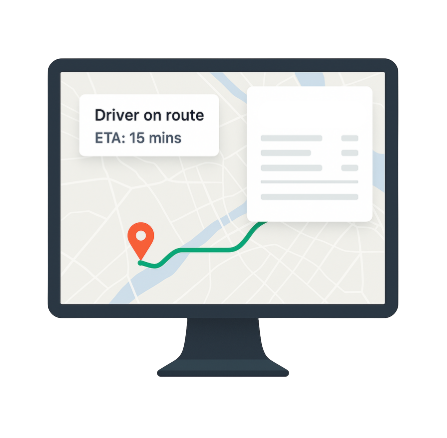
Programvare for planleggingsoptimalisering hjelper deg med å forvandle en lang liste med jobber, kjøretøy og sjåfører til en tidsplan som er realistisk og effektiv. Ved å kombinere automatiske forslag med manuell kontroll gjør planleggingsoptimalisering det mulig for teamet å reagere raskere på endringer og holde hele driften i balanse.
Planleggingsoptimalisering er kjernen i en stabil og skalerbar logistikkoperasjon. Punktene nedenfor forklarer hva planleggingsoptimalisering er, hva den tar hensyn til og hvorfor den er viktig for ditt daglige arbeid.
Oppretter daglige planer for ruter, skift og oppgaver, slik at hver sjåfør og bil har en balansert arbeidsmengde. Den samler alle bestillinger og ressurser på ett sted og gjør dem om til en plan som er klar til å utføres, med klare prioriteringer og tidsangivelser for hver aktivitet.
Tar hensyn til ordreprioriteringer, tidsvinduer for levering, tjenestetype, kjøretøykapasitet, sjåførkompetanse og arbeidstid. Den lager planer som fullfører alt nødvendig arbeid med så lite sløsing som mulig, samtidig som servicekvaliteten for hver enkelt kunde ivaretas.
Uten dette må planleggerne lage tidsplaner for hånd og reagere på endringer under tidspress. Planleggingsoptimalisering gir forslag og oversikter slik at planleggerne kan se hele bildet, justere etter behov og beholde kontrollen når etterspørselen øker.
Programvare for planleggingsoptimalisering gir planleggerne et klart utgangspunkt for hver dag, slik at de bruker mindre tid på å lage planer fra bunnen av.
Planene bygges med realistiske grenser for kapasitet, servicetid og arbeidstid, noe som reduserer stress og endringer i siste liten.
Optimalisering av planleggingen fordeler arbeidet jevnere mellom sjåfører, biler og regioner, noe som øker antallet fullførte oppdrag per dag.
Planene respekterer tidsvinduer for levering og serviceprioriteringer, slik at kundene får mer pålitelige besøk og færre avbestillinger.
Når det dukker opp nye bestillinger eller forstyrrelser, hjelper planleggingsoptimalisering deg med å planlegge raskt på nytt uten å miste den overordnede strukturen for dagen.
Planleggingsoptimalisering gir ledere ett sted å se hvordan ruter, skift og oppgaver passer sammen, slik at beslutninger baseres på et helhetlig bilde.
Bidrar til å koordinere butikkpåfylling og hjemlevering slik at hver bil følger en realistisk tidsplan og teamene kan håndtere daglige ordretopper.
Støtter hyppige hentinger og leveranser ved å gruppere arbeidet i fornuftige ruter og runder, selv når det dukker opp nye bestillinger i løpet av dagen.
Overholder strenge tidsvinduer og håndteringskrav slik at temperatursensitive produkter når kundene i god stand.
Arrangerer besøk for teknikere slik at reisetiden reduseres og flere jobber blir fullført i løpet av arbeidsdagen.
Støtter gjentatte ruter og komplekse bestillingsmønstre, slik at kundene får regelmessige og forutsigbare besøk.
Hjelper bedrifter med å skalere opp i travle perioder ved å bruke sjåfører, biler og støttepersonell mer effektivt.
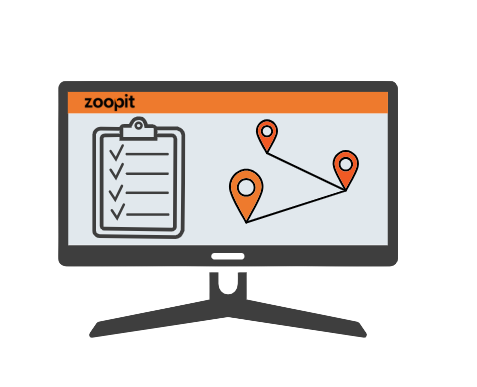
Bestillinger og servicejobber strømmer inn i Zoopit fra eksisterende systemer eller registreres direkte. Hver oppgave inneholder adresse, tidsvindu, prioritet og ønsket tjenestetype.
Kjøretøy, sjåfører og serviceområder settes opp i Zoopit sammen med regler for kapasitet, kompetanse, arbeidstid og tillatte soner. Disse reglene styrer planleggingsoptimaliseringsprosessen.
Zoopit analyserer alle aktive oppgaver og tilgjengelige ressurser, og utarbeider en foreslått plan for ruter, skift og oppdrag. Planen tar sikte på å fullføre alt arbeid med effektiv reisevirksomhet og balansert arbeidsmengde.
Planleggerne går gjennom den foreslåtte planen i et intuitivt grensesnitt. De kan flytte oppgaver, låse deler av planen og gjøre manuelle korrigeringer, og deretter kjøre planleggingsoptimaliseringen på nytt om nødvendig.
Når planen er klar, sendes ruter og oppgaver til sjåfører og servicepersonell via mobilapplikasjonen. Ledere og supportteam følger med på fremdriften og kan justere planen hvis det dukker opp ny informasjon.
Planleggingsoptimalisering i Zoopit er prosessen med å lage daglige tidsplaner for ruter, skift og oppgaver basert på ordrer, ressurser og regler. Det hjelper deg med å gå fra manuell planlegging til en strukturert og repeterbar måte å lage planer på.
Planleggingsoptimalisering er utviklet for å støtte planleggerne, ikke for å erstatte dem. Systemet foreslår en plan, og planleggerne beholder kontrollen ved å gjennomgå, endre og godkjenne den før utførelsen.
Mange organisasjoner kan begynne å bruke grunnleggende planleggingsoptimalisering så snart nøkkeldata er satt opp, for eksempel kjøretøy, sjåfører, serviceområder og tidsvinduer. Etter hvert som teamet får mer erfaring, kan mer detaljerte regler legges til for å forbedre resultatene.
Planleggingsoptimalisering og ruteoptimalisering fungerer sammen i Zoopit. Planleggingsoptimalisering fokuserer på hvilke oppgaver som skal utføres av hvilken ressurs og når, mens ruteoptimalisering fokuserer på den beste rekkefølgen av stopp på hver rute. Sammen skaper de planer som er både realistiske og effektive.
Har du noen spørsmål? Ring oss på +47 21 08 66 70